

Jacob Davis
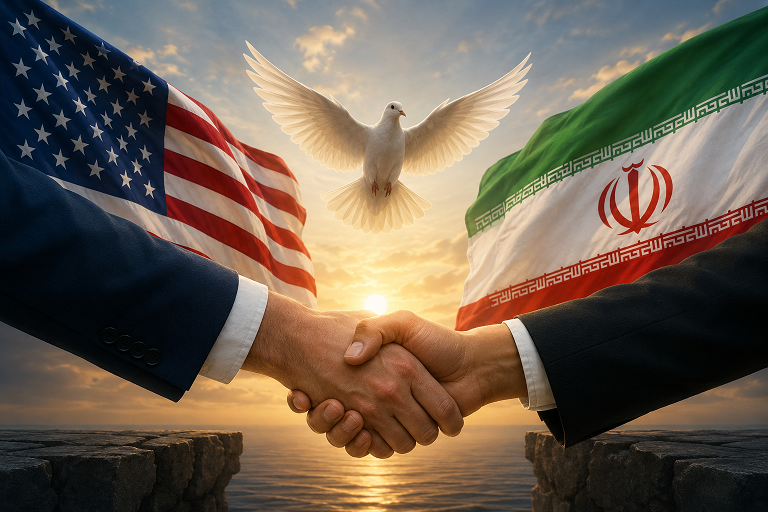
After months of war, escalating tensions, and repeated announcements that a breakthrough was imminent, the United States and Iran have finally signed a new peace agreement under President Donald Trump. The deal includes a ceasefire, the reopening of the Strait of Hormuz, and the beginning of broader negotiations on Iran’s nuclear program and economic sanctions. Supporters argue that it represents the most significant diplomatic breakthrough between the two countries in decades. Yet many observers remain cautious. Since the conflict began, both Washington and Tehran have repeatedly signaled that a deal was near, only for talks to collapse or new military actions to derail progress. As a result, the question on many minds is simple: will this agreement be any different?
The skepticism is understandable. Reports indicate that earlier negotiations came close to success several times before breaking down over disagreements involving sanctions relief, shipping rights, and Iran’s nuclear activities. President Trump himself frequently suggested that an agreement was close, only to later express frustration with the pace of negotiations. The current memorandum of understanding establishes a framework for peace, but many of the most difficult issues have been postponed to future talks. Rather than solving every dispute, the agreement essentially creates a 60-day window during which negotiators hope to reach more permanent solutions.
Several factors suggest that this deal has a better chance of surviving than previous attempts. First, both countries have strong economic incentives to avoid a return to war. The conflict disrupted global energy markets and placed enormous pressure on Iran’s already struggling economy. The reopening of the Strait of Hormuz is expected to restore vital oil shipments and ease international concerns about energy supplies. The United States also has an interest in reducing regional instability and preventing another costly military escalation. These shared interests create a stronger foundation for compromise than existed during earlier rounds of talks.
However, serious obstacles remain. The agreement reportedly leaves key questions unanswered regarding Iran’s nuclear enrichment program, ballistic missile development, and support for regional proxy groups. These issues have been at the center of U.S.–Iran tensions for decades and will not disappear simply because a ceasefire has been signed. In addition, some allies of the United States, particularly Israel, have expressed concerns about aspects of the deal and remain wary of Iran’s long-term intentions. Within Iran, hardliners have also criticized the agreement, arguing that Tehran may be giving up too much in exchange for uncertain economic benefits. Such domestic political pressures could make implementation difficult on both sides.
Another challenge is trust—or rather, the lack of it. Decades of hostility, broken agreements, sanctions, and military confrontations have created deep suspicion between Washington and Tehran. Even supporters of the deal acknowledge that success will depend on whether both governments follow through on their commitments. Analysts note that the release of frozen assets, sanctions relief, and future nuclear negotiations are all tied to verification measures and reciprocal actions. If either side believes the other is acting in bad faith, the fragile peace could unravel quickly.
So, will this deal hold? The most realistic answer is that it has a reasonable chance of surviving in the short term but faces significant uncertainty over the long term. The economic and political incentives for peace are stronger than they were during previous failed negotiations, yet the fundamental disagreements that fueled the conflict remain unresolved. The agreement should therefore be viewed less as a final peace settlement and more as a critical first step. Whether it becomes a lasting peace or another missed opportunity will depend on what happens during the next several weeks of negotiations. For now, the guns may be silent, but the harder work of building trust and resolving decades-old disputes is only beginning.
Also, see: Haiti at an Impasse: The Impossible Road to Transition