

Jacob Davis
CSMS Magazine
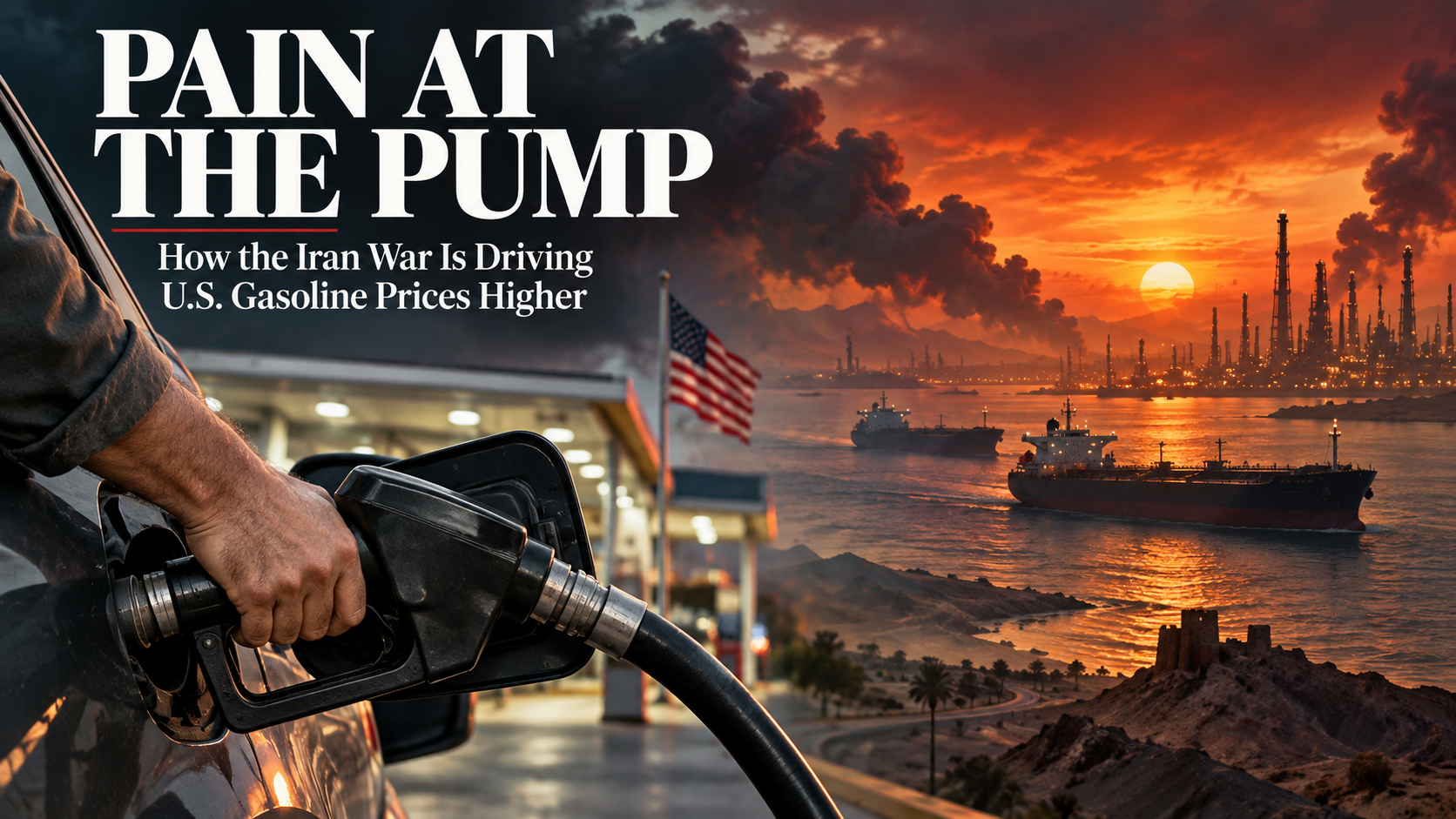
American drivers are once again facing high gasoline prices and the ongoing war in which the United States, Israel and Iran are involved is a key factor behind the rise. The war has disrupted global energy markets, threatened key oil-shipping routes and sent crude-oil prices soaring. Those pressures are now being felt at gas stations and throughout the broader U.S. economy.
As of late September 2026, the national average for regular gasoline is around $4.48 per gallon. AAA reported on September 24 that the average had climbed nearly five cents in a week to $4.48, its highest national average of 2026. That represents a dramatic increase from February 26, when the national average stood at approximately $2.98 per gallon.
Why the Iran War Matters
The connection between the conflict and gasoline prices begins with crude oil. The Strait of Hormuz is particularly significant because of the essential function that Iran and the surrounding Persian Gulf region play in the global energy system. The strait normally carries about a fifth of the world’s oil supply so any disruption can affect energy prices well beyond the Middle East.
The war has disrupted oil flows and raised uncertainty about future supplies. When traders believe oil production or transportation could be interrupted, crude prices can rise rapidly. In September, renewed fighting pushed oil above $100 per barrel. The U.S. Energy Information Administration has also raised its oil-price forecasts as the conflict has depleted global petroleum inventories.
Oil markets remain highly sensitive to developments in the conflict. Prices fell when diplomatic efforts appeared to offer a possible path toward ending hostilities, but they rose again after President Donald Trump rejected an Iranian peace proposal, illustrating how quickly geopolitical developments are moving energy markets.
The Effects Go Far Beyond the Gas Pump
Higher gasoline prices have an immediate impact on household budgets. A family that uses 50 gallons of gasoline per month, for example, spends about $75 more monthly when gasoline rises from roughly $2.98 to $4.48 per gallon. For households with long commutes, multiple vehicles, or limited access to public transportation, the additional burden can be considerably greater.
But gasoline is only part of the problem. Diesel prices have risen even more dramatically. EIA data for the week of September 21 put the U.S. average retail diesel price at approximately $6.53 per gallon.
That matters because diesel powers much of America’s trucking, agricultural, construction, and industrial equipment. Higher diesel costs make it more expensive to move food, clothing, building materials, manufactured products, and countless other goods. Some of those costs could be borne by businesses, but they could also be passed on to consumers in the form of higher prices. Economists therefore fear that the fuel shock could add to general inflationary pressure.
What Comes Next?
Indications are that gasoline prices could eventually decline if hostilities die down and oil shipments return to normal. Recent talks between the United States and Iran have included discussions on reopening the Strait of Hormuz and finding a phased way out of the war. But uncertainty still hangs over negotiations and oil markets have been sensitive to military and diplomatic developments.
For American consumers, this means that gasoline prices are no longer solely a function of seasonal driving demand and domestic refinery production. They are closely connected to events happening thousands of miles away.
The war in Iran shows how interdependent the global energy system remains. The United States is a big oil producer but still ties its gasoline and diesel prices to the international crude oil market. Motorists, businesses, farmers and transportation companies will feel the economic repercussions not just at the pump, but across the cost of everyday life. Until the conflict settles down and the world’s oil supplies become more predictable.
Also, see: Peace in the Balance: Will the New U.S.–Iran Deal Finally Hold?