

Jane Moser
CSMS Staff Writer
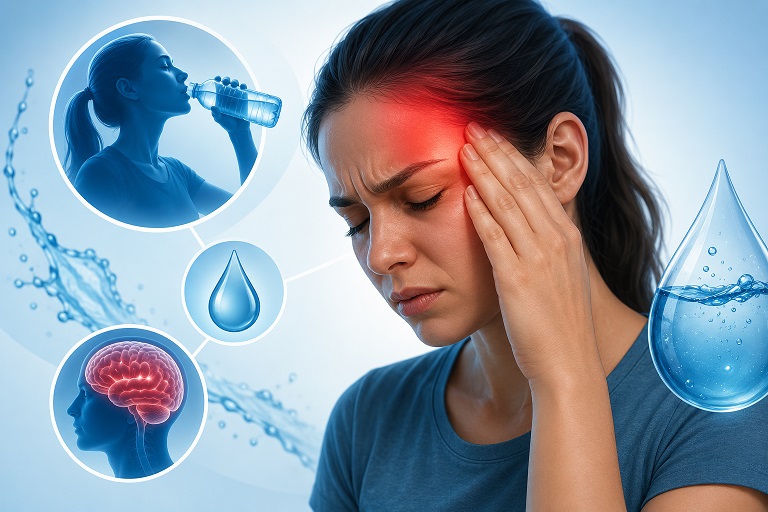
Headaches are among the most common health complaints worldwide, affecting people of all ages. While stress, lack of sleep, and certain medical conditions are often blamed, one frequently overlooked cause is dehydration. Even mild dehydration can trigger headaches and negatively impact overall well-being.
Dehydration occurs when the body loses more fluids than it takes in. Water is essential for maintaining normal bodily functions, including regulating body temperature, transporting nutrients, and supporting brain function. When fluid levels drop, the body struggles to perform these tasks efficiently, often leading to discomfort and pain.
One of the primary ways dehydrations causes headaches is through a reduction in blood volume. When the body lacks adequate fluids, blood circulation can decrease, reducing the supply of oxygen and nutrients to the brain. This may result in a headache that ranges from mild discomfort to severe pain. Additionally, dehydration can cause the brain to temporarily contract or pull away from the skull due to fluid loss, triggering pain receptors and leading to a headache.
Symptoms of dehydration-related headaches often include thirst, dry mouth, fatigue, dizziness, and difficulty concentrating. Some individuals may also experience irritability or muscle cramps. These symptoms can worsen if dehydration is not addressed promptly.
Certain groups are at higher risk for dehydration, including older adults, young children, athletes, and people who work outdoors in hot environments. Illnesses that cause vomiting, diarrhea, or excessive sweating can also increase the risk. During warmer months, dehydration becomes even more common due to increased fluid loss through perspiration.
Fortunately, dehydration headaches are often preventable. Drinking adequate amounts of water throughout the day is one of the simplest and most effective strategies. The amount of water needed varies depending on age, activity level, climate, and overall health, but a general recommendation is to drink enough fluids so that urine remains pale yellow in color. Consuming water-rich foods such as watermelon, cucumbers, oranges, and lettuce can also help maintain hydration.
If a headache develops due to dehydration, drinking water and resting in a cool environment may provide relief. In cases of severe dehydration, medical attention may be necessary.
Recognizing the connection between hydration and headache prevention is an important step toward better health. By making hydration a daily priority, individuals can reduce the likelihood of headaches and support their body’s overall function and well-being.
Also: Diabetes Prevention: Lifestyle Choices That Make a Lifesaving Difference