

Ardain Isma
CSMS Magazine
For many, the transition from summer to autumn means nothing. To others, the coming of autumn marks a holistic welcome. Beyond the relief of leaving the summer heat behind, fall offers many attractive periods that can make life a little better amid the daily stress of navigating the many tasks one must accomplish by day’s end.
When I was younger and, of course, more athletic and energetic, the sweltering heat of the subtropical climate where I lived had little effect on my daily obligations. Between school, work, and weekend parties, I had no problem helping with community efforts to teach children civic duties and helping parents understand the school system so they could better serve their children.
As a writer at this stage of my life, I find that the new season means something almost entirely different. It means more quality time with my wife and more time to catch up with what has long become a never-ending process of reading and writing. It also means more time to reflect on how the days of yesteryear have helped lessen the fear of what lies ahead.
Even though darkness arrives early and daylight struggles to break through, it never bothers me. Evening twilight fuels my inspiration and my will to write. So do the early morning hours.
Fall also marks the beginning of the holiday season. In my many years living on the First Coast, I’ve noticed that fewer folks, including me, enjoy northern Florida’s crystal-clear, sandy beaches in autumn. But happiness, one of life’s main realities, is not an endless continuum. So the loss of a time of wonder, in this case, the summer hiking, canoeing, kayaking, or swimming, never means the end of the world. At its tail, a new season emerges. It is one that, at least to me, offers a better time to go shopping, weaving through beautiful open-air malls, laughing, joking, and negotiating deals with vendors.
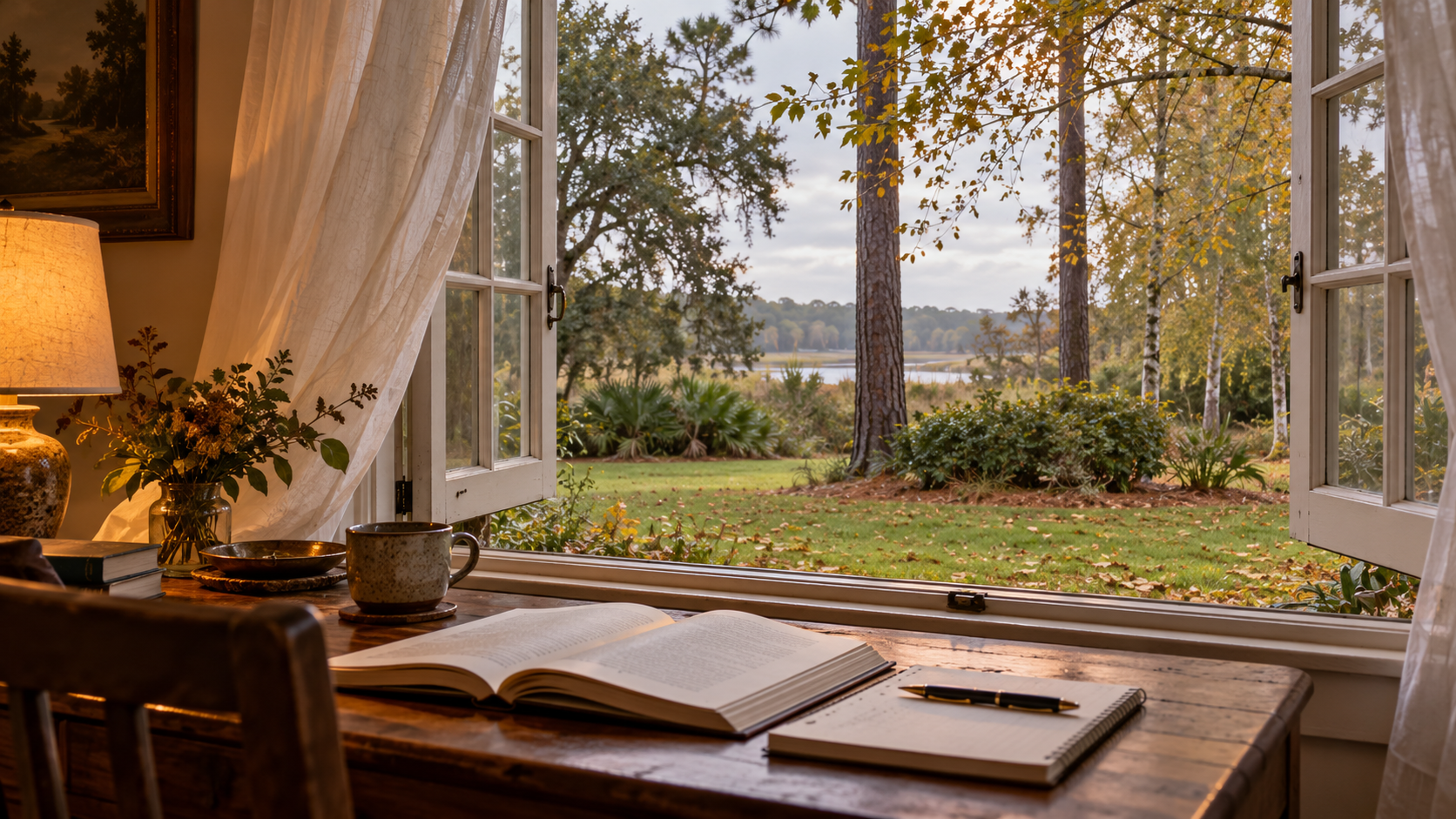
This morning, at the break of day, I opened my window and glanced across the yard. I noticed something new: the air was gray and windy. The wood pigeons were gone. The cardinals no longer chirped in the pine branches. The leaves from the river birches, the crapemyrtle, and the pine needles covered the green lawn. I smiled.
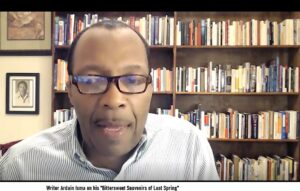 Note: Ardain Isma is a university professor, novelist, essayist, and scholar. He serves as Chief Editor of CSMS Magazine and leads Village Care Publishing, an indie press dedicated to multicultural and social-justice-oriented literature. His works include Midnight at Noon, Bittersweet Memories of Last Spring, Last Spring was Bittersweet and The Cry of a Lone Bird – his latest novel, which explores resilience, love, and the enduring quest for human dignity.