

Christine Jean-Pierre
CSMS Magazine
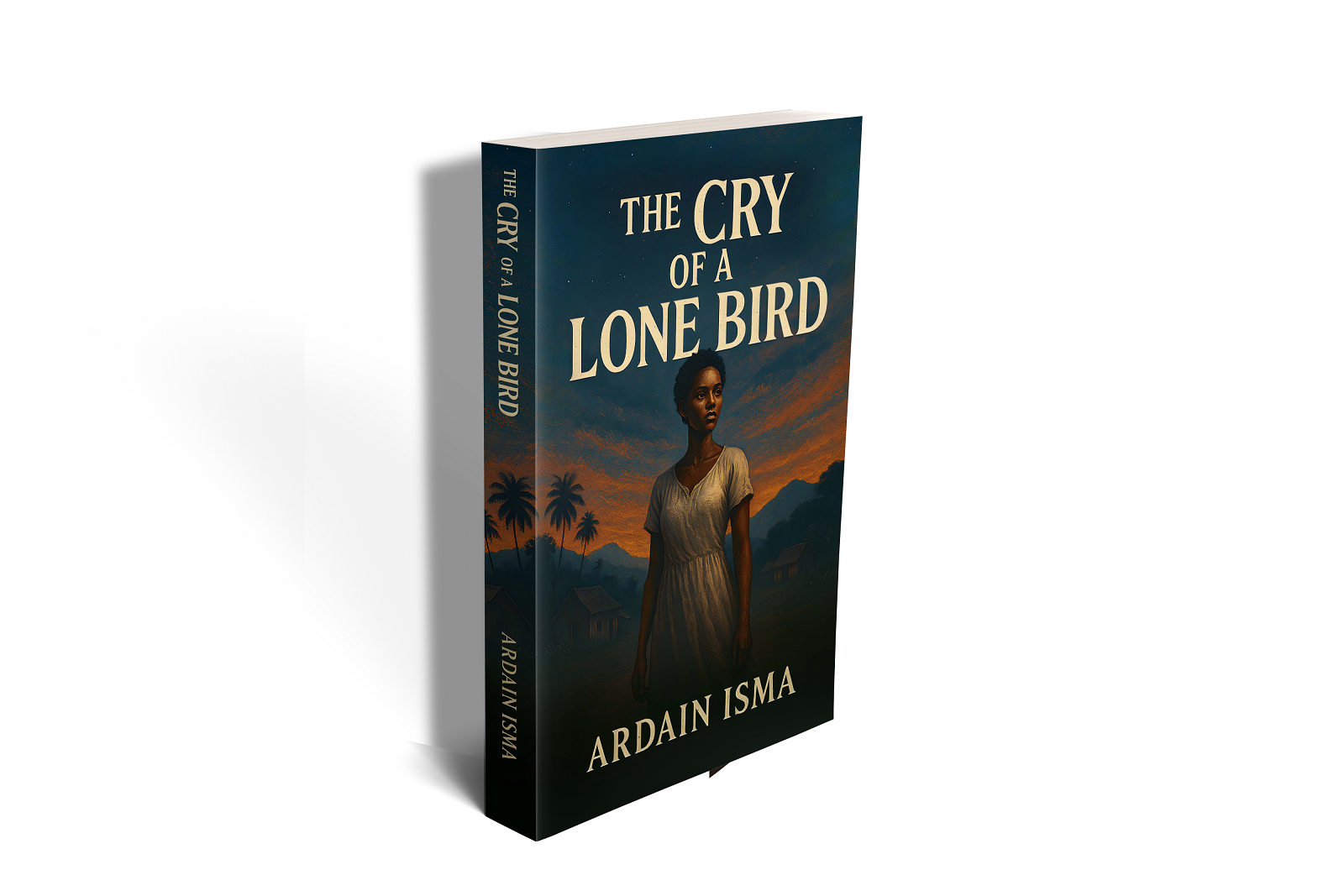
Ardain Isma’s The Cry of a Lone Bird is a richly absorbing novel, combining emotional depth, social awareness and compelling storytelling. In particular, the novel is interesting in terms of its exploration of personal struggle while simultaneously reflecting broader themes of justice, identity and resilience. Readers are drawn into a story that is intimate and socially relevant, making the story linger long after the last page.
The novel is strong in characterization. The characters are well drawn and believable due to social pressures and circumstances surrounding them, especially protagonist Céline and victim Louisinette. The novel follows the characters’ journey and explores the courage it takes to stand up to injustice, and the emotional toll of standing alone for what is right. The metaphor of one bird crying out in the title is representative of the spirit of people who speak out even when they feel their voices are alone or unheard.
The novel also has a very interesting take on the cultural and historical context. The story is a reflection of the complex nature of societies formed by political tension, inequality and the search for dignity. Rather than a dry academic presentation of these themes, the narrative enlivens them with human experiences – familial relationships, moral dilemmas, and acts of subtle rebellion. It lets the reader face the larger issues through the personal stories of the character.
The writing style also contributes to the novel’s appeal. The prose itself is a good blend of imagery and reflection, which makes the scenes both cinematic and introspective. The readers are not mere spectators in the events. They are also invited to feel the emotional burden the characters carry.
The Cry of a Lone Bird is interesting because, in the end, it combines purpose with storytelling. It’s a novel that entertains, while prompting readers to think critically about justice, courage and the power of a single voice. It’s a reminder that a single cry can travel far beyond its source.
Note: Christine Jean-Pierre writes on issues of social justice and on modern music genres.
Also see: H.E.R.: Redefining Modern R&B Through Artistry and Authenticity