

Aline Morrison
CSMS Magazine
In a world where young people are expected to navigate student loans, credit cards, digital payments, and rising living costs, financial literacy is no longer optional—it is essential. Yet many adults reach their twenties or thirties without ever receiving formal education on how money works. Teaching financial literacy early gives the next generation tools not just to survive economically, but to build stable, empowered futures.
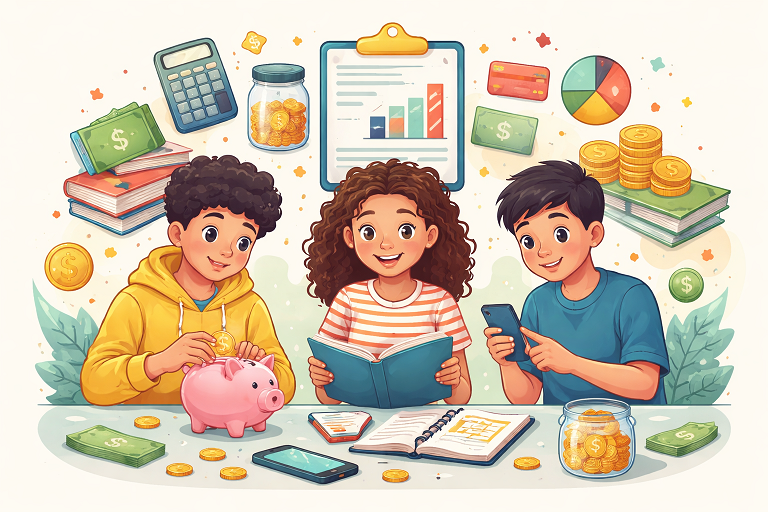
Financial habits form early in life. Research consistently shows that attitudes toward saving, spending, and risk are shaped during childhood and adolescence. When children learn basic concepts—such as budgeting, saving, and distinguishing between needs and wants—they develop confidence and responsibility around money. These early lessons lay the groundwork for smarter decisions later, from managing a first paycheck to avoiding high-interest debt.
Early financial education also helps reduce inequality. Children from households where money management is openly discussed often gain an advantage, while others may enter adulthood unprepared through no fault of their own. Schools and community programs that teach financial literacy can help level the playing field, ensuring that all young people, regardless of background, understand how to manage income, build credit, and plan for the future.
The modern financial landscape makes early education even more critical. Digital wallets, buy-now-pay-later services, online investing apps, and cryptocurrency platforms are increasingly accessible to teens and young adults. Without a foundation in financial literacy, these tools can quickly lead to overspending, debt, or risky decisions. Teaching young people how interest works, how to read financial terms, and how to evaluate risk equips them to use these technologies wisely rather than impulsively.
Financial literacy is also closely tied to mental and emotional well-being. Money stress is a leading cause of anxiety for adults, often rooted in a lack of understanding rather than lack of income. When young people are taught how to budget, set goals, and plan ahead, they gain a sense of control over their finances. This confidence can reduce stress and encourage healthier relationships with money throughout life.
Teaching money management early does not require complex formulas or advanced economics. Simple, practical lessons—such as saving for a short-term goal, tracking spending, or understanding how credit works—can have lasting impact. Parents, educators, and communities all play a role in making these lessons part of everyday learning.
Preparing the next generation for financial independence is an investment in society as a whole. When young people understand how money works, they are better equipped to make informed choices, avoid financial pitfalls, and contribute to a more stable and resilient economy. Financial literacy, taught early, empowers not just individuals—but the future itself.
Also, see: From Classrooms to Competencies: What’s Next for Public Education