

James Patterson
Special to CSMS Magazine
The Democratic Party’s sweeping victories in last week’s midterm elections have given Democrats what they desperately needed: renewed political momentum, control of the Senate, and a stronger position in the House of Representatives. What many expected to be a difficult electoral battle instead became a significant rebuke of Republican leadership, as Democrats made substantial gains in states and congressional districts once considered challenging territory.
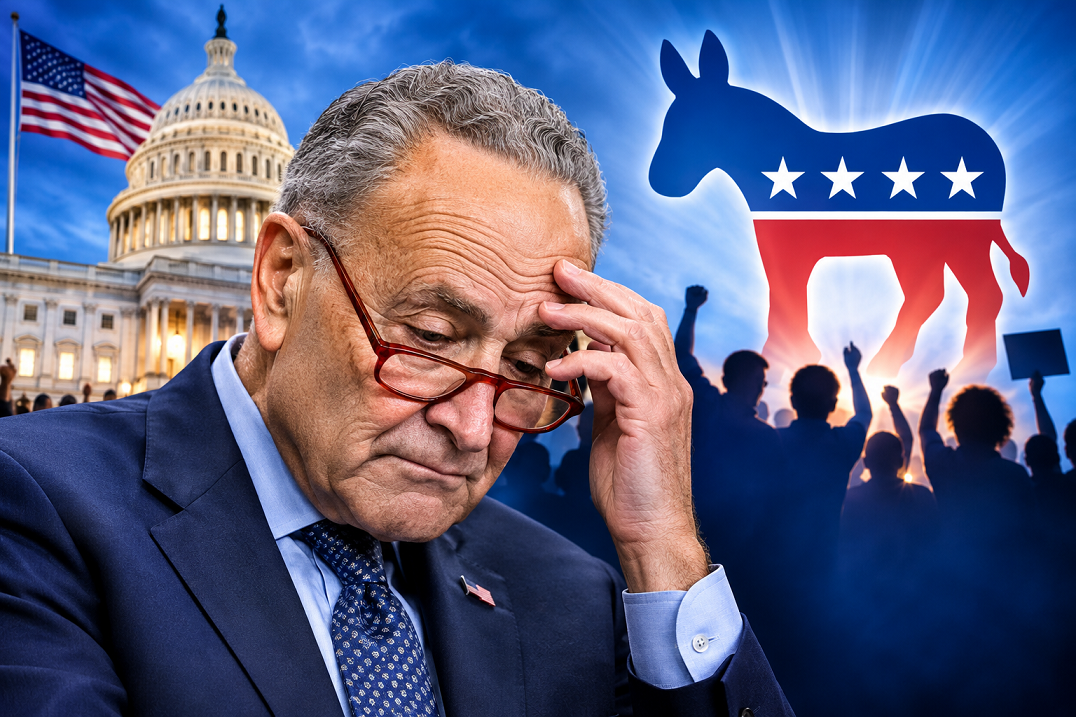
A new political drama is unfolding behind the scenes in the Democratic Party. A number of Democratic legislators, progressive activists, and incoming members of the Senate are beginning to question whether Chuck Schumer should still be the leader of the party. It’s an ironic twist, since Schumer has been overseeing the campaign that delivered the Democratic victories. However, some members of his own party are now saying it is time for a change.
Why would a party that has just experienced such an extraordinary electoral success want to replace one of its most prominent leaders?
A lingering crisis of confidence
To understand the current controversy, one must revisit March 2025, when Schumer backed a Republican-backed government funding measure to avert a government shutdown. His decision angered a significant portion of the Democratic base, particularly progressive voters who believed Democrats should have used their legislative leverage to challenge President Donald Trump’s administration more aggressively.
The vote highlighted to many in the party their belief that the current leaders of the party weren’t being strong enough in challenging Republican policies.
While Schumer later opposed another government funding deal during the long government shutdown in 2025, the shutdown left its mark on various progressive groups and Democratic activists, who still question whether Schumer is truly representing the party’s urgency. Groups such as MoveOn and Indivisible have questioned whether Schumer can still be trusted in a leadership role.
The need for new leadership
Another major frustration is that Schumer is old. At 75, he represents an older generation of Democratic leadership that has shaped Congress for decades. Some Democrats feel that it is time for a fresh approach and a better way to communicate with young people, working-class communities, and those who feel disconnected from traditional Washington politics.
Senator Bernie Sanders has emerged as one of the most prominent voices calling for change. On November 10, Sanders announced that he would not support Schumer’s reelection as Democratic leader. He argued that the party needs a new, bolder direction, particularly one focused on building an economy that works for ordinary Americans rather than primarily benefiting those at the top.
Michigan Senator Elissa Slotkin has also questioned whether the current leadership has a sufficiently developed strategy for the next Congress. She has called for a concrete plan that addresses legislative priorities, political communication, and the inclusion of new voices.
These are not merely personal disagreements with Schumer. They reflect a broader debate about the kind of Democratic Party voters expect to see after the 2026 elections.
Disagreements over the party’s political direction
The leadership controversy also exposes disagreements over how Democrats should approach some of the country’s most divisive political issues.
One area of tension involves U.S. policy toward Israel and the influence of organizations such as the American Israel Public Affairs Committee (AIPAC) in Democratic primaries. Progressive Democrats have criticized Schumer and the Democratic Senatorial Campaign Committee (DSCC) for supporting establishment candidates over candidates who favor a more progressive approach.
Maryland Senator Chris Van Hollen, another potential replacement for Schumer, has criticized the party leadership for establishing ties with the crypto industry and AIPAC during the primaries.
This highlights a key dilemma that the Democratic leadership faces. Should they try to maintain their traditional political partnerships and campaign tactics? Or should they try to appease their progressive grassroots base?
This isn’t just an international issue. Progressives like Sanders have consistently pushed for the party to show greater commitment to issues such as economic equality, affordable healthcare, workers’ rights, and tackling inequality between wealthy Americans and working families.
Who could replace Schumer?
One name increasingly mentioned in the leadership discussion is Senator Chris Van Hollen of Maryland. Van Hollen has attracted attention from incoming Democratic senators and lawmakers who believe the party should consider alternatives before automatically returning Schumer to the leadership position.
Abdul El-Sayed, Michigan’s incoming senator, has indicated that he would support Van Hollen. Other incoming members, including Peggy Flanagan of Minnesota, have expressed reservations about committing their support to Schumer.
Sanders has also made his opposition clear. Meanwhile, Slotkin has indicated that her support will depend on whether leadership candidates present a convincing plan for the next Congress.
However, replacing Schumer remains unsettled. Several Democratic senators continue to defend his leadership, citing his fundraising prowess, candidate recruitment, and role in expanding the party’s electoral opportunities. Senator Kirsten Gillibrand, who chaired the DSCC during the election cycle, has particularly credited Schumer’s political organization and strategic planning with the victories.
Schumer himself has expressed confidence that he will retain the support necessary to become majority leader. The Democratic leadership election is expected in December.
The challenge of governing after victory
Perhaps the greatest challenge facing Democrats is that winning an election and governing successfully are two very different responsibilities.
The party now faces expectations to address the economic concerns that influenced voters, including inflation, healthcare costs, housing affordability, employment opportunities, and economic inequality. Democrats must also decide how aggressively they intend to challenge the Trump administration while exercising their newly acquired congressional power.
A leadership change could be seen as a chance to bring a new focus and a fresh approach. However, it could be seen as a distraction as the party will have a lot of internal conflict.
Those supporting Schumer could argue that it seems inconsistent to depose a leader so quickly after a successful election campaign. Those going against Schumer believe that even if they have had a successful election, they should still be held accountable.
The drama surrounding Chuck Schumer tells us everything we need to know about the Democratic Party. While this drama goes far beyond his political career, it highlights the changing realities within the party.
The blue wave of 2026 has given them a chance to change their direction, but will they be able to move forward and expand their coalition, or will they get stuck debating amongst themselves?
Schumer may have helped deliver an important electoral victory. That is still being debated. Nevertheless, the party’s progressive wing is making it clear that electoral victories alone are not sufficient. It wants leadership that can translate political momentum into tangible improvements in people’s lives.
But as they gear up to pick the next Senate leader, Democrats will signal what kind of party they want to be. More than the size of their win last week, the true litmus test is how effectively they can turn that win into a government agenda by delivering on what people voted for.
Also, see: What a Night It Was for New York City!