

Jacob Davis
CSMS Magazine
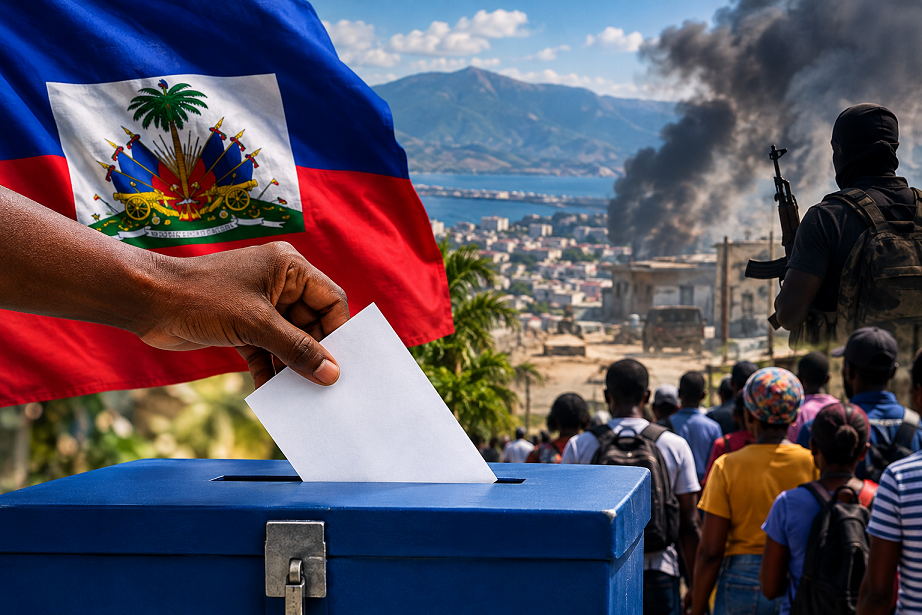
Haiti is at a critical juncture. After years of political unrest, weak institutions, economic hardship and increasing gang violence, the country has suffered greatly in terms of its democratic institutions. However, in a country that is demanding leaders who will be accountable, can presidential elections take place?
In theory, fair elections could help restore democratic legitimacy to Haiti, allowing the country to make a choice of leadership, regain people’s confidence and start tackling political differences. However, holding national elections is a huge task given that communities, transport routes and vital parts of the capital city Port-au-Prince are controlled or threatened by armed gangs.
Security will be a key challenge. If people are worried about being taken, intimidated, shot at, or suffering any form of reprisals, they will not be able to fully enjoy their democratic rights. Election staff, candidates, political activists and observers will face major threats. In communities where families have been affected by violence there will need to be a lot of preparation to set up polling stations and make sure ballots can be safely handed out and counted.
Haiti also has a legitimacy crisis. There are many issues concerning the transitional authority, political interests and poor public infrastructure to ensure that citizens have confidence in the electoral process. If there is not wide engagement, proper planning and trustworthy supervision of the elections, it could cause more divisions.
However, there are also risks in delaying elections indefinitely. This may cause a lack of confidence in the process, cause political division and make citizens feel like they have no say in the future. Haiti is now left with a difficult decision to make between holding elections that lack credibility if held too soon, but will cause an extended period of political uncertainty.
A genuine election process must start with a secure system, an efficient electoral administration, clear rules and active involvement of Haitian civil society. International partners will offer technical support, financial resources and security, however it will have to be done with respect to Haiti’s sovereignty and the needs of the people. Special care must be taken to ensure those affected by displacement, at risk and unable to reach polling stations have their voices heard.
The key issue is whether Haiti will be able to stage an election in such a way that the outcome will be seen as legitimate. Simply staging an election will not break armed groups, restore public institutions or solve structural political and economic issues.
The democratic prospects for Haiti will hinge on how they link the promise of elections to the hard task of restoring security, building trust and creating a government that can be held accountable. Whilst a presidential election could be an important step towards recovery, the success of this election will depend upon the ability of Haitians to vote freely, safely and confidently.
Note: Also, see: Haiti at an Impasse: The Impossible Road to Transition