

Jane Moser
CSMS Magazine
Food is more than fuel—it is one of the most powerful tools we have to protect health, reduce inflammation, and strengthen the immune system. The concept of “food as medicine” recognizes that the nutrients in everyday meals directly influence how the body heals, fights illness, and maintains balance.
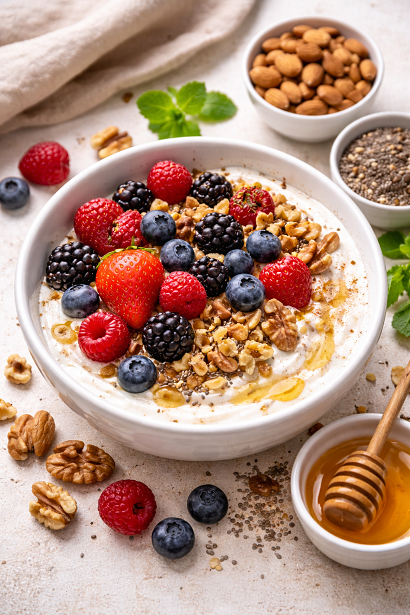
Chronic inflammation is linked to conditions such as heart disease, arthritis, diabetes, and autoimmune disorders. Fortunately, many common foods naturally help calm inflammatory responses. Fatty fish like salmon, sardines, and mackerel are rich in omega-3 fatty acids, which reduce inflammation and support immune cell function. For plant-based options, walnuts, chia seeds, and flaxseeds offer similar benefits.
Colorful fruits and vegetables play a central role in immune defense. Leafy greens such as spinach and kale provide vitamins A, C, and K, while berries deliver antioxidants that protect cells from damage. Bright orange foods like sweet potatoes and carrots are rich in beta-carotene, which the body converts into vitamin A—essential for a strong immune system.
Spices and herbs can transform ordinary meals into healing ones. Turmeric contains curcumin, a compound known for its powerful anti-inflammatory properties, especially when paired with black pepper. Ginger helps soothe the digestive system and may reduce muscle and joint inflammation, while garlic supports immune health with its natural antimicrobial compounds.
Fermented foods are another daily ally. Yogurt with live cultures, kefir, sauerkraut, and kimchi support gut health, which is closely tied to immune strength. A healthy gut microbiome helps regulate inflammation and improves the body’s ability to fight infections.
Choosing whole, minimally processed foods while limiting added sugars and refined carbohydrates further supports immune balance. When meals are built around real, nutrient-dense ingredients, food becomes medicine—nourishing the body not just for today, but for long-term vitality and resilience.
Also see: How Walking 10,000 Steps a Day Impacts Your Health