

Christine Jean-Pierre
CSMS Magazine
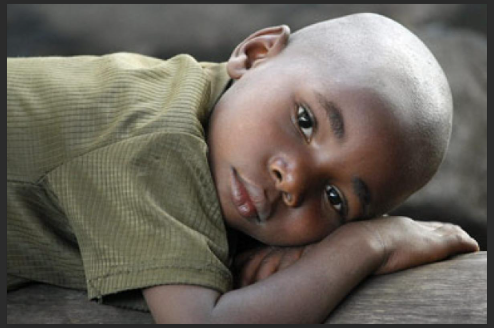
The upcoming novel by Dr. Ardain Isma, shining a light on the brutal exploitation of a servant girl, serves as a stark reminder of a grim global reality: millions of children remain trapped in servitude. Often from impoverished families with no other perceived options, these children are forced into labor, sacrificing their childhood, education, and safety at the hands of those they serve. Breaking this cycle requires a multi-faceted approach that addresses both the symptoms and the root causes of this deep-seated injustice.
The first and most immediate step is the strengthening and enforcement of child protection laws. Many countries have legislation against child labor, but weak enforcement, corruption, and a lack of resources render them ineffective. Governments must invest in dedicated labor inspectorates with the authority and training to investigate homes and informal workplaces, and impose stringent penalties on exploiters.
However, law enforcement alone is a reactive measure. To be proactive, we must address the primary driver of child servitude: desperate poverty. When a family cannot afford to feed their children, sending a child to work becomes a tragic calculation for survival. Therefore, the establishment of robust social safety nets is crucial. Government-sponsored programs that provide conditional cash transfers to impoverished families—contingent on their children attending school—can be transformative. This financial support replaces the child’s lost income, making it feasible for parents to keep their children in the classroom instead of the workplace.
Simultaneously, we must ensure that education is not just available, but accessible, high-quality, and perceived as a viable path out of poverty. This means building schools in rural areas, eliminating school fees, providing meals, and ensuring the curriculum equips children with relevant skills. Community awareness campaigns are also vital to shift cultural norms that may inadvertently accept child labor, teaching parents and communities about children’s rights and the long-term dangers of exploitation.
Finally, rescue must be paired with rehabilitation. Children freed from servitude are often traumatized, malnourished, and educationally behind. A successful strategy requires funding for shelters, psychological counseling, and accelerated learning programs that help them reintegrate into society and reclaim their futures.
Saving these children is a monumental task, but it is not impossible. It demands a concerted effort from governments, NGOs, and the international community to combine legal action, economic empowerment, and educational opportunity. By attacking the problem at its roots, we can replace the narrative of exploitation with one of hope, ensuring that every child has the chance at a childhood defined by learning and safety, not labor and suffering.
Also see: Novels: The Bridge Between the Imaginary and the Real