

Marc-Antoine Dusset
Special to CSMS Magazine
The Caribbean, with its vibrant culture, complex history, and layered identities, has given rise to some of the most profound voices in world literature. Shaped by colonial legacies, migration, resistance, and the rhythms of island life, Caribbean writers have long used the written word to assert identity, challenge oppression, and celebrate the richness of their people. From poetry and novels to essays and plays, the region’s literary giants have brought global recognition to Caribbean thought, proving that small islands can produce voices with universal resonance.
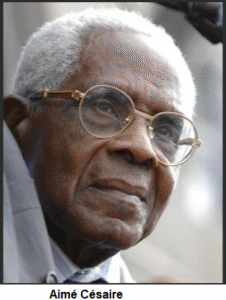
One of the earliest trailblazers was Aimé Césaire of Martinique, whose groundbreaking work in the mid-20th century helped give birth to the Négritude movement, which sought to reclaim Black identity and pride in the face of colonial domination. His poetry and plays challenged racism while affirming cultural heritage, laying the foundation for a generation of Caribbean intellectuals. Alongside him, fellow Martinican Frantz Fanon became one of the most influential anti-colonial thinkers of the 20th century. While not a novelist, his works such as Black Skin, White Masks and The Wretched of the Earth blended psychology, politics, and philosophy, inspiring liberation movements worldwide.
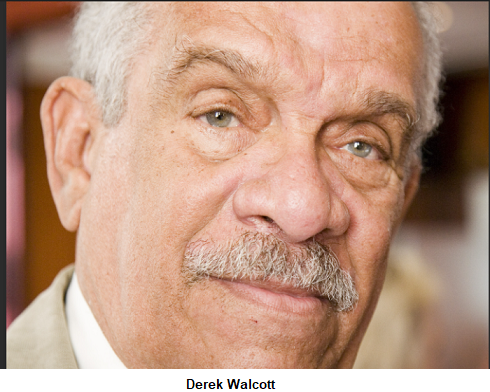
In the Anglophone Caribbean, Nobel Laureate Derek Walcott of St. Lucia stands as one of the most celebrated poets of the modern era. His magnum opus, Omeros, reimagines Homer’s epics within a Caribbean context, blending classical themes with the struggles and beauty of island life. Walcott’s mastery of language and his ability to weave the Caribbean’s landscapes and histories into verse made him a towering global figure. Similarly, V.S. Naipaul, born in Trinidad, brought international attention to Caribbean and postcolonial narratives through works like A House for Mr. Biswas and In a Free State. Though often controversial in his views, Naipaul’s sharp observations and literary craftsmanship earned him a Nobel Prize in Literature, cementing the Caribbean’s place in world literature.
 Caribbean literature is also deeply intertwined with the voices of women who have articulated perspectives too often marginalized. Jamaican writer Louise Bennett-Coverley, affectionately known as “Miss Lou,” elevated Jamaican patois to literary respectability, proving that the rhythms of local language carried the same depth and artistry as English. Her humor and cultural commentary resonated deeply with her audiences, and her work influenced countless Caribbean writers to embrace their native tongues. Contemporary figures like Ardain Isma, born in Haiti and based in the United States, continue this legacy. His novels, Bittersweet Memories of Last Spring and Last Spring was Bittersweet, explore themes of migration, trauma, and resilience, bridging the Caribbean and its diaspora.
The region’s literature also thrives on its diversity of languages and traditions. Writers from the Spanish-speaking Caribbean, such as Cuban novelist Alejo Carpentier, contributed to the rise of “magical realism,” blending myth, history, and political critique in a way that resonated across Latin America and beyond. In the Dutch Caribbean, authors like Frank Martinus Arion have used literature to explore themes of identity, language, and colonial history. Collectively, these voices remind the world that Caribbean literature cannot be confined to a single genre or style; it is as diverse as the islands themselves.
What unites these literary giants is their ability to tell stories rooted in the Caribbean experience while speaking to universal human concerns—freedom, identity, belonging, and justice. Their works have not only entertained and enlightened readers but have also challenged stereotypes, reshaped global understanding of the region, and inspired generations of new writers. Today, Caribbean literature continues to flourish, with younger authors building on the foundations laid by these trailblazers while addressing contemporary issues such as climate change, migration crises, and cultural hybridity.
The Caribbean may be geographically small, but its literary influence is immense. Through their pens, these writers have turned the region into a stage where the struggles, dreams, and triumphs of Caribbean people are given global significance. By putting the Caribbean firmly on the world’s literary map, these giants remind us that the power of storytelling transcends borders, and that even the most marginalized voices can shape the cultural consciousness of the world.