

By Ardain Isma
CSMS Magazine
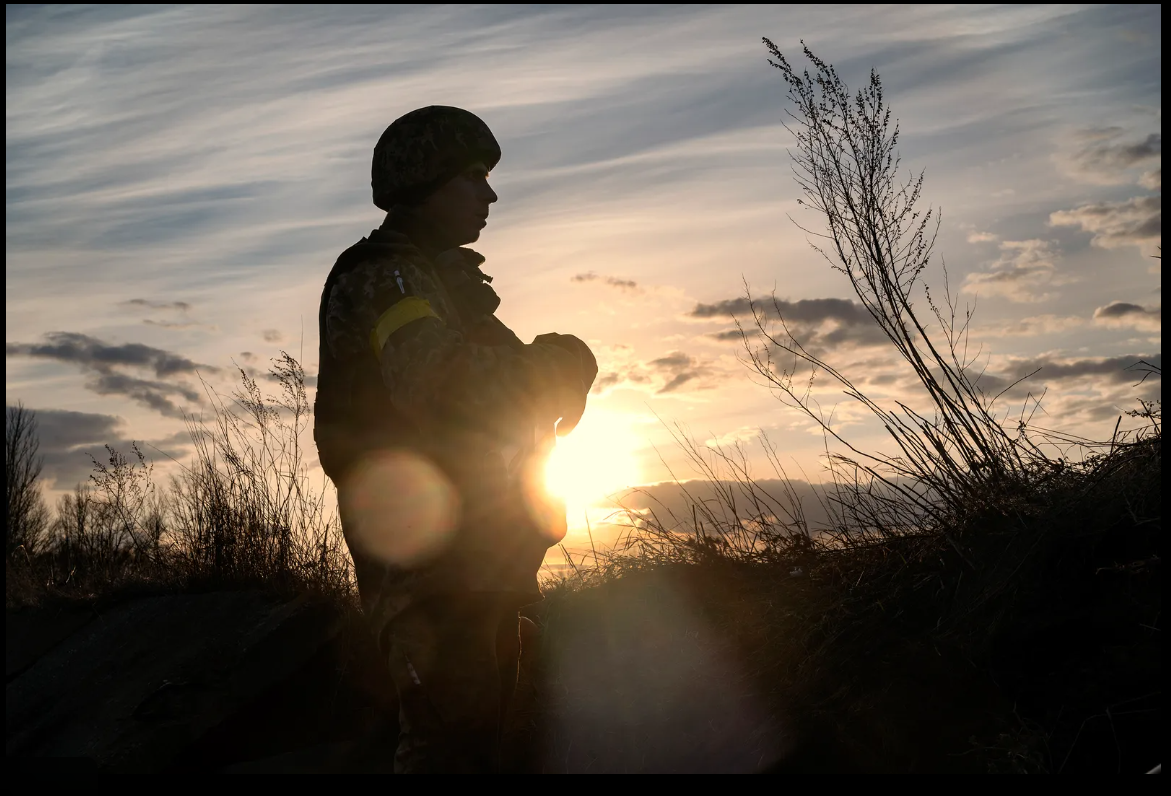
As the war in Ukraine grinds through its third year, the world is witnessing the slow redrawing of Europe’s security map. What began as a lightning invasion has hardened into a brutal conflict of attrition—one that is reshaping global power balances with every passing month. Early assumptions of a swift Ukrainian resurgence or a rapid Russian collapse have dissolved. In their place stands a troubling new reality: the battlefield momentum has tilted in Moscow’s favor, and the road to peace grows more uncertain by the day.
Russia, absorbing staggering losses, has converted its economy into a wartime engine and leveraged its superior manpower to regain the initiative. The grinding advances across the Donbas and the renewed pressure around Kharkiv reveal a sober truth: at this moment, Russia is making incremental but undeniable gains. These shifts are not merely tactical; they carry significant political weight. Every captured village, every mile of contested territory, complicates the architecture of any future negotiation. Peace, once already distant, now seems shadowed by growing asymmetry.
For Europe, the implications are profound. The war has triggered a hesitant yet historic re-militarization across the continent, along with a painful decoupling from Russian energy. NATO, long searching for renewed purpose, finds itself reinvigorated but strained—its unity tested by political fatigue, rising costs, and diverging national priorities. Meanwhile, Ukraine faces internal pressures: dwindling ammunition, manpower shortages, and the heavy psychological toll of a society caught in perpetual mobilization. Its resilience remains remarkable, but its resources are finite.
Globally, the conflict has accelerated the crystallization of a bifurcated world order. A Russia increasingly aligned with China, Iran, and North Korea confronts a U.S.-led Western bloc, turning Ukraine into the bloodiest arena of 21st-century proxy contention. The war is no longer just about territory; it is about competing visions of power, sovereignty, and international norms.
The peace process resides in a murky shadowland. Any negotiation would now begin with Russia holding hardened territorial gains—conditions Kyiv and its Western allies have repeatedly vowed not to legitimize. Yet the longer the conflict continues under current trends, the more bargaining leverage Moscow accumulates. The central dilemma remains painfully unresolved: can Ukraine, with renewed and sustained Western support, reverse the present momentum, or will the front lines calcify into a de facto new border, leaving behind a shattered nation and an uneasy Europe?
Whatever form the conclusion takes—negotiated settlement or frozen conflict—the consequences will echo far beyond Ukraine. This war is no longer only about who controls the Donbas or the steppes of Kharkiv. It is about the future strategic architecture of Europe and the emerging shape of the global order. Its outcome will reverberate for generations.
 Note: Ardain Isma is a university professor, novelist, essayist, and scholar. He serves as Chief Editor of CSMS Magazine and leads Village Care Publishing, an indie press dedicated to multicultural and social-justice-oriented literature. His works include Midnight at Noon, Bittersweet Memories of Last Spring, Last Spring was Bittersweet and The Cry of a Lone Bird – his latest novel which explores resilience, love, and the enduring quest for human dignity.