

Gyna Jean-Pierre
CSMS Magazine
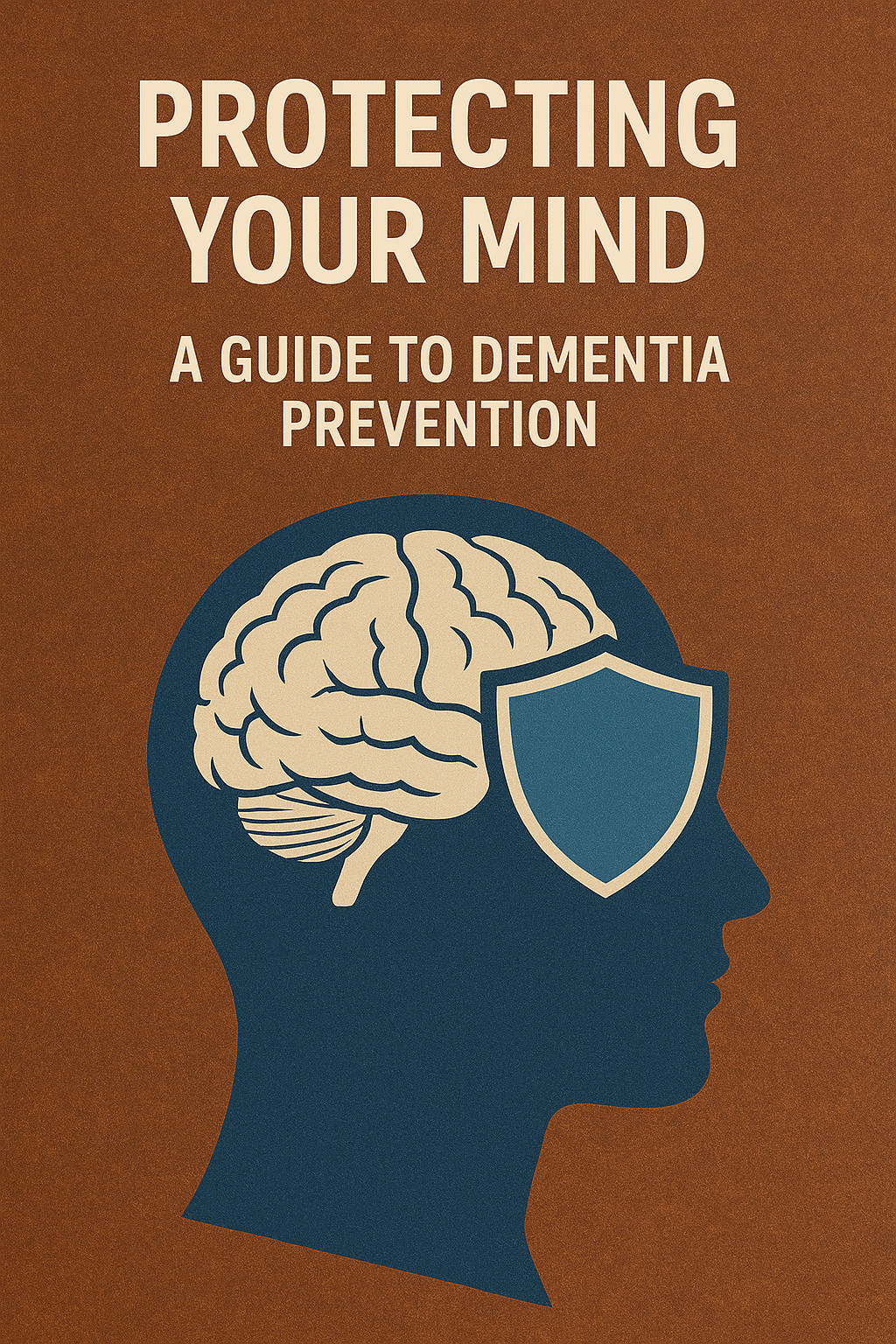
Dementia, a general term for the loss of memory, language, problem-solving, and other cognitive abilities, affects millions worldwide. As the global population ages, the need for effective prevention strategies has become more urgent. While there is no guaranteed way to prevent dementia, growing research suggests that certain lifestyle choices can significantly lower the risk.
The Power of a Healthy Lifestyle
One of the most powerful ways to reduce dementia risk is by maintaining a healthy lifestyle. Regular physical activity is particularly important. Exercise increases blood flow to the brain and encourages the development of new neural connections. Experts recommend at least 150 minutes of moderate aerobic activity or 75 minutes of vigorous activity each week, combined with strength training exercises.
Equally important is a nutritious diet. Studies point to the benefits of the Mediterranean and DASH (Dietary Approaches to Stop Hypertension) diets, which emphasize fruits, vegetables, whole grains, lean proteins, and healthy fats like olive oil and nuts. These diets are rich in antioxidants and anti-inflammatory compounds, which help protect brain cells from damage.
Mental and Social Engagement
Challenging your brain is another key aspect of prevention. Lifelong learning, engaging in hobbies, playing musical instruments, doing puzzles, or even learning a new language can help build cognitive reserve. This means your brain has a stronger ability to compensate for changes or damage.
Social interaction also plays a crucial role. Loneliness and social isolation are linked to an increased risk of dementia. Staying connected through community activities, volunteer work, or simply maintaining close relationships with family and friends can help keep your mind sharp.
Managing Health Conditions
Chronic diseases such as diabetes, hypertension, and heart disease are all linked to a greater risk of developing dementia. Managing these conditions through regular medical check-ups, medications, and healthy habits is essential. Keeping blood pressure, cholesterol, and blood sugar levels within recommended ranges can protect both your heart and brain.
Similarly, avoiding smoking and limiting alcohol consumption can make a significant difference. Smoking damages blood vessels, which reduces blood flow to the brain, while excessive alcohol intake can lead to brain damage over time.
Prioritizing Sleep and Mental Health
Sleep is often overlooked but vital for brain health. Poor sleep, particularly conditions like sleep apnea, can contribute to memory problems and increase dementia risk. Aim for 7 to 9 hours of quality sleep each night and seek medical advice if you experience chronic sleep issues.
Mental health is equally important. Depression, especially in midlife or later life, has been linked to an increased risk of dementia. Addressing symptoms early, whether through therapy, medication, or lifestyle changes, can help protect your cognitive health.
The Bottom Line
While age and genetics are factors we cannot change, many aspects of dementia risk are within our control. By leading a healthy lifestyle, staying mentally and socially active, managing chronic health conditions, and prioritizing sleep and mental health, we can all take proactive steps to protect our minds. Early and consistent efforts offer the best chance to maintain cognitive vitality well into old age.