

Chenette Rosenberg
Special to CSMS Magazine
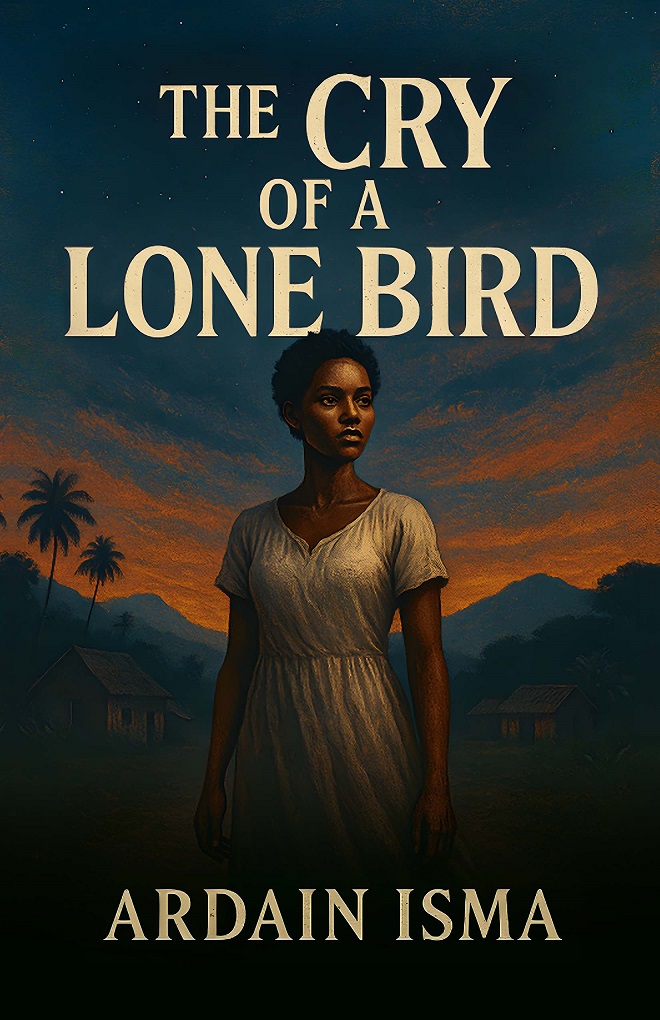
In the bustling town of Saint Louis, Haiti, where privilege and poverty brush shoulders daily, a young girl’s cry pierces the silence that society has carefully constructed. Louisinette, a restavèk child trapped in a system of servitude and neglect, stands at the heart of The Cry of a Lone Bird, a novel that confronts one of Haiti’s most painful and often hidden realities. Her story is not merely fiction; it is a mirror held up to a nation’s conscience.
The Silent Suffering of the Restavèk
For generations, the restavèk system has persisted in Haiti, quietly weaving itself into the fabric of daily life. Children from impoverished families are often sent to live with wealthier relatives or strangers under the promise of food, shelter, and education. Instead, many find themselves subjected to relentless labor, verbal abuse, and emotional abandonment. Their suffering is frequently dismissed, hidden behind high walls and closed doors.
Louisinette’s life is a testament to this cruelty. In the novel, her daily existence is marked by forced chores, isolation, and humiliation. Yet, her pain is made sharper by the indifference of those who benefit from her silence. She becomes both a victim of injustice and a symbol of the countless real children whose cries go unheard.
From Cry to Movement
Everything changes when Louisinette’s story reaches Céline, a young woman from the town’s elite. Céline’s courage to listen—and to act—sets off a chain of events that transforms one girl’s suffering into a movement for justice. Through Céline and her circle of allies, The Cry of a Lone Bird explores the transformative power of empathy, solidarity, and moral awakening.
Their fight is not just against the individuals who wronged Louisinette but against a society that normalized her pain. It is a battle waged in living rooms, streets, and hearts—a confrontation between entrenched privilege and the courage to change.
Fiction as a Catalyst for Awareness
Literature has always carried the power to awaken societies to uncomfortable truths. Like a lone bird singing in the dark, Louisinette’s story forces us to listen. Her cry challenges readers to question not only the systems that perpetuate injustice but also their own roles within those systems.
The Cry of a Lone Bird does more than tell a story; it gives voice to the voiceless. It shines a light into Haiti’s overlooked corners, illuminating both the cruelty of indifference and the boundless potential for hope and redemption.
As the book’s release approaches on October 17, Louisinette’s cry echoes louder than ever—not just as a fictional narrative but as a moral call. To hear her is to be changed.
Note: Chenette Rosenberg is editor-at-large at CSMS Magazine.